Quad9 DNS resolver to exit France
The gist
Trending stories, explained
The world, at your fingertips.
Gistline turns each of the day’s trending stories into one card: what happened, why it matters, how it got here, and the reporting it came from.
Included for free
Actual app screens
See it in action
Why it exists
What’s missing is the time and context to understand it. Most of us only catch fragments. We see that something happened, but not why, how it got here, or what it means for us.
Gistline reads the day’s reporting for you and explains one story at a time.
Inside a card
Every story gets the same parts, in the same order. Once you’ve read one card, you can read them all.
The card below is real. It’s shown exactly as written.
01The gist
What happened and why it matters, before you decide whether to read on. The picture comes from the story’s own reporting and is credited.
The gist
02The backstory
First the context everyone assumes you already have. Then each step in order, with the newest one marked so you can see what just changed.
Timeline
03Sides and sources
What each side is saying, side by side. Claims without proof are labeled as unverified instead of blended in. The reporting is linked so you can read it yourself.
What they’re saying
Quad9 says it categorically refuses to alter DNS responses against users’ expectations, calls recursive DNS a neutral and passive service, and argues blocking via resolvers is ineffective and disproportionate.
beIN sought the blocking order for domain names it asserts are infringing its audiovisual rights, and asked for €10,000 per day for every domain that remained accessible through Quad9.
The Paris Court found Quad9 had to make reasonable efforts to block the domain names but decided to take no action at all.
△ Still unverified
How Quad9 will stop serving French users has not been decided; the foundation said it is still evaluating its options, which it believes are all imperfect.Sources
Powered by artificial intelligence — may contain errors
Around the card

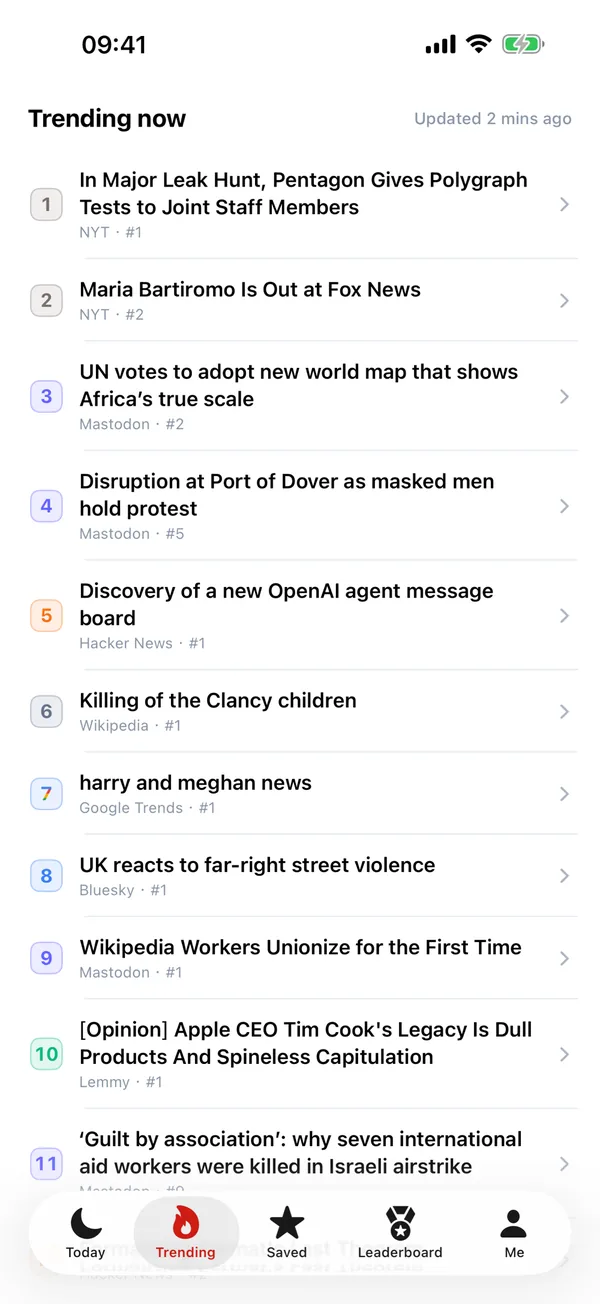
What’s rising across the web, refreshed through the day.

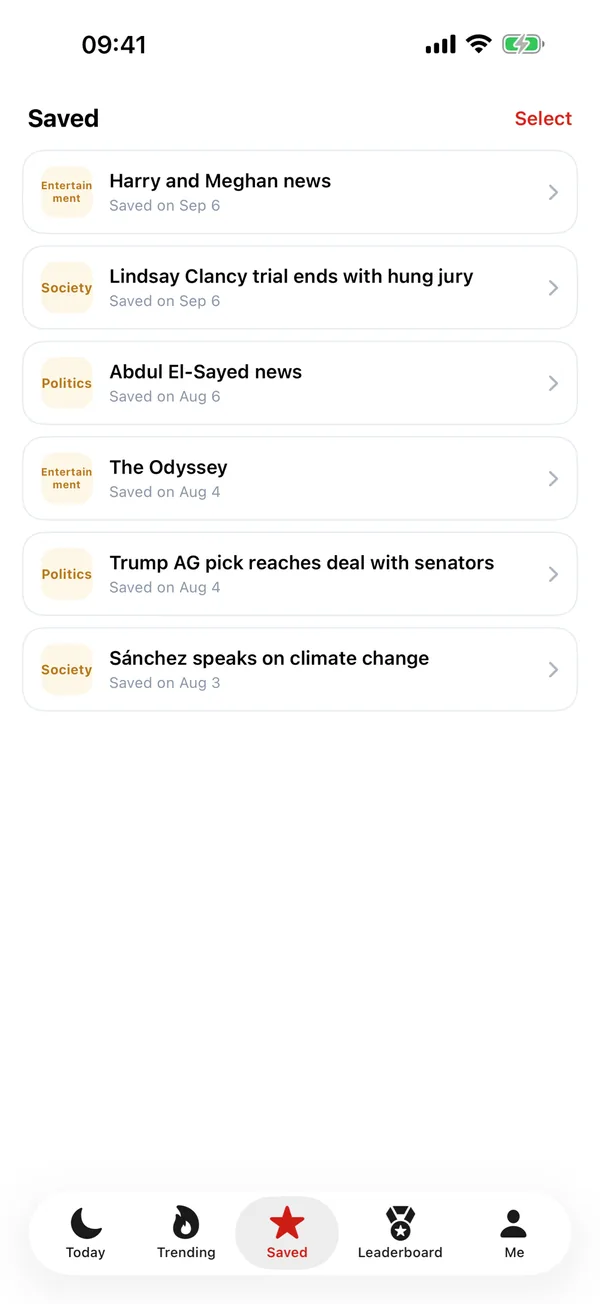
Star a card to come back to it later.

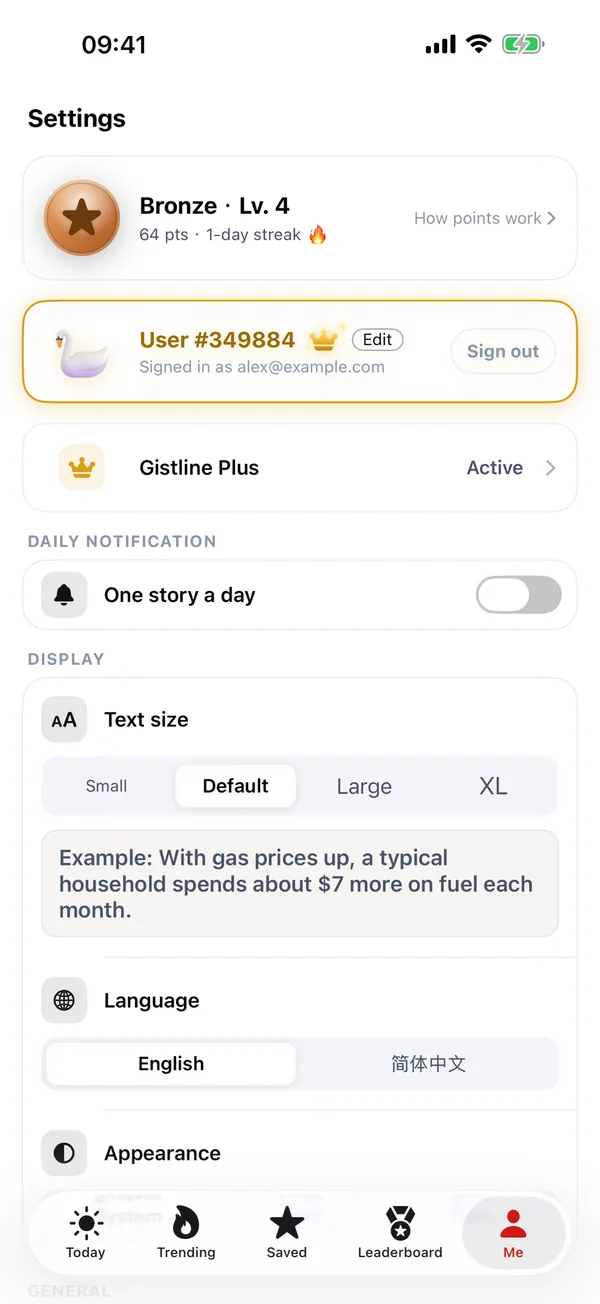
An optional daily notification with one story worth knowing.
What we believe
We know about more and more things, and it keeps getting harder to actually understand any one of them.
Gistline is a tool for understanding the world, powered by artificial intelligence. However fast the world moves, no one should get left behind by it.
A few things to know
Gistline is an iPhone app that turns the day’s trending stories into single cards you can read in about 30 seconds. Each card covers what happened, why it happened, how it unfolded, what different sides are saying, what is still unverified, and the sources it came from.
Gistline watches what is trending across Google Trends, Reddit, Hacker News and major outlets, then searches same-day reporting on each story before writing anything. The sources it used are listed on every card, and you can open them.
The news itself comes from reporting published that day, not from what a model remembers. Artificial intelligence does the editor’s job. Think of it as a team of silicon editors working around the clock. They gather the coverage, read across outlets, put events in order, set out what each side says, flag what is still unconfirmed, and condense it all into one card. Sources are linked on every card, so you can check the reporting yourself.
A news app hands you more headlines. Gistline hands you one card per story, built to answer the same questions every time, so you finish knowing why it matters rather than just that it happened.
Gistline is free to download and free to read a set number of cards each day. Gistline Plus is an optional subscription that removes the daily limit.
No. You can start reading without an account. Signing in raises your free daily limit.
Gistline follows world news, mostly from English-language reporting. Cards can be read in English or Chinese in the app, and shared cards open in either language on the web.